Air Conditioning Services

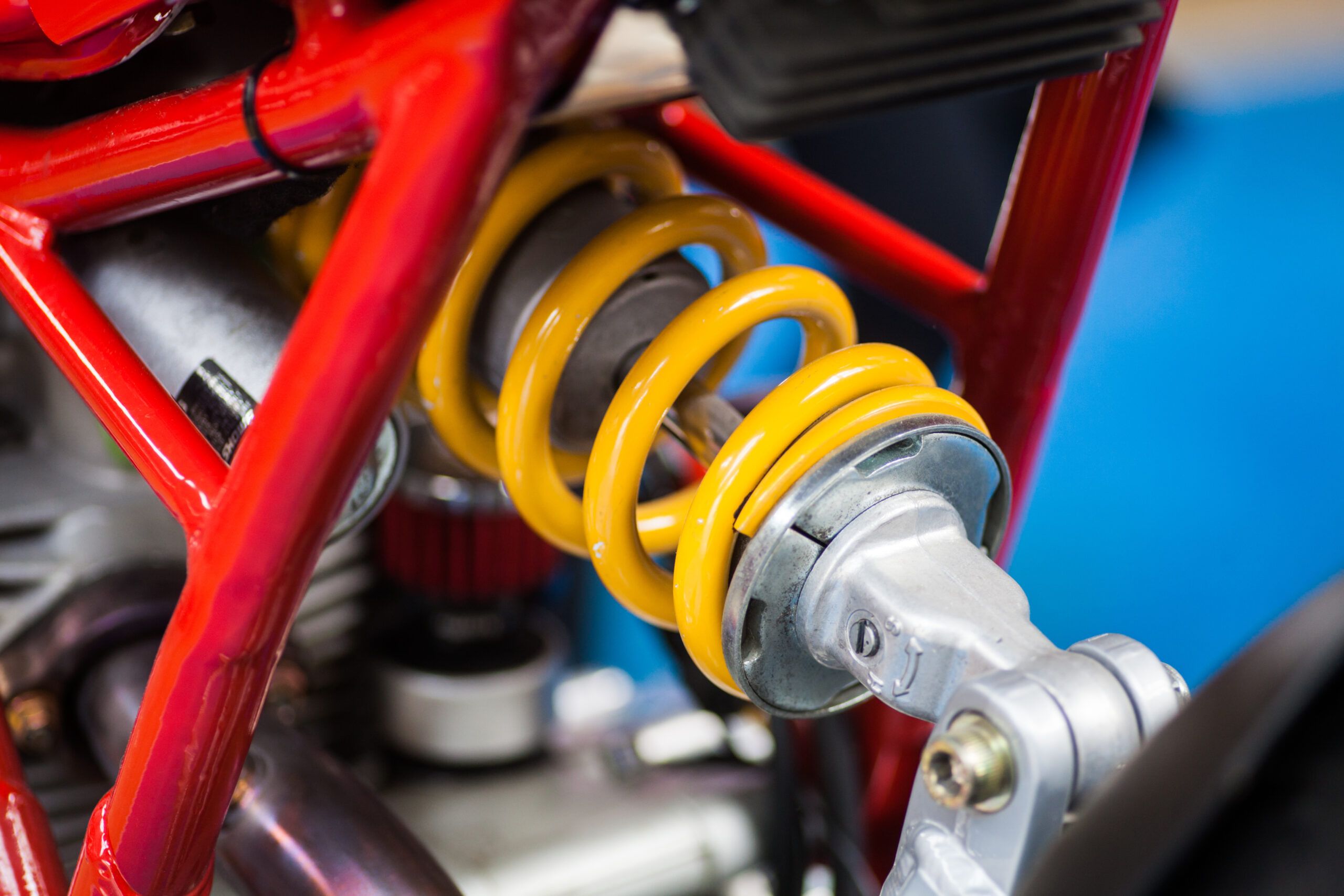

If your vehicle consistently pulls to the left or right while driving, particularly during braking, your suspension or steering components may be failing. This pulling sensation is often caused by worn suspension bushings, damaged control arms, or misaligned wheels that have resulted from impact damage or gradual wear.
Pulling can also indicate uneven brake pad wear or failing brake callipers, which place additional stress on your suspension system. Ignoring this symptom not only affects your ability to control the vehicle but can lead to uneven tyre wear and further damage to steering components. Have your vehicle inspected promptly by a qualified technician who can diagnose whether the issue originates from suspension, steering, or braking systems.
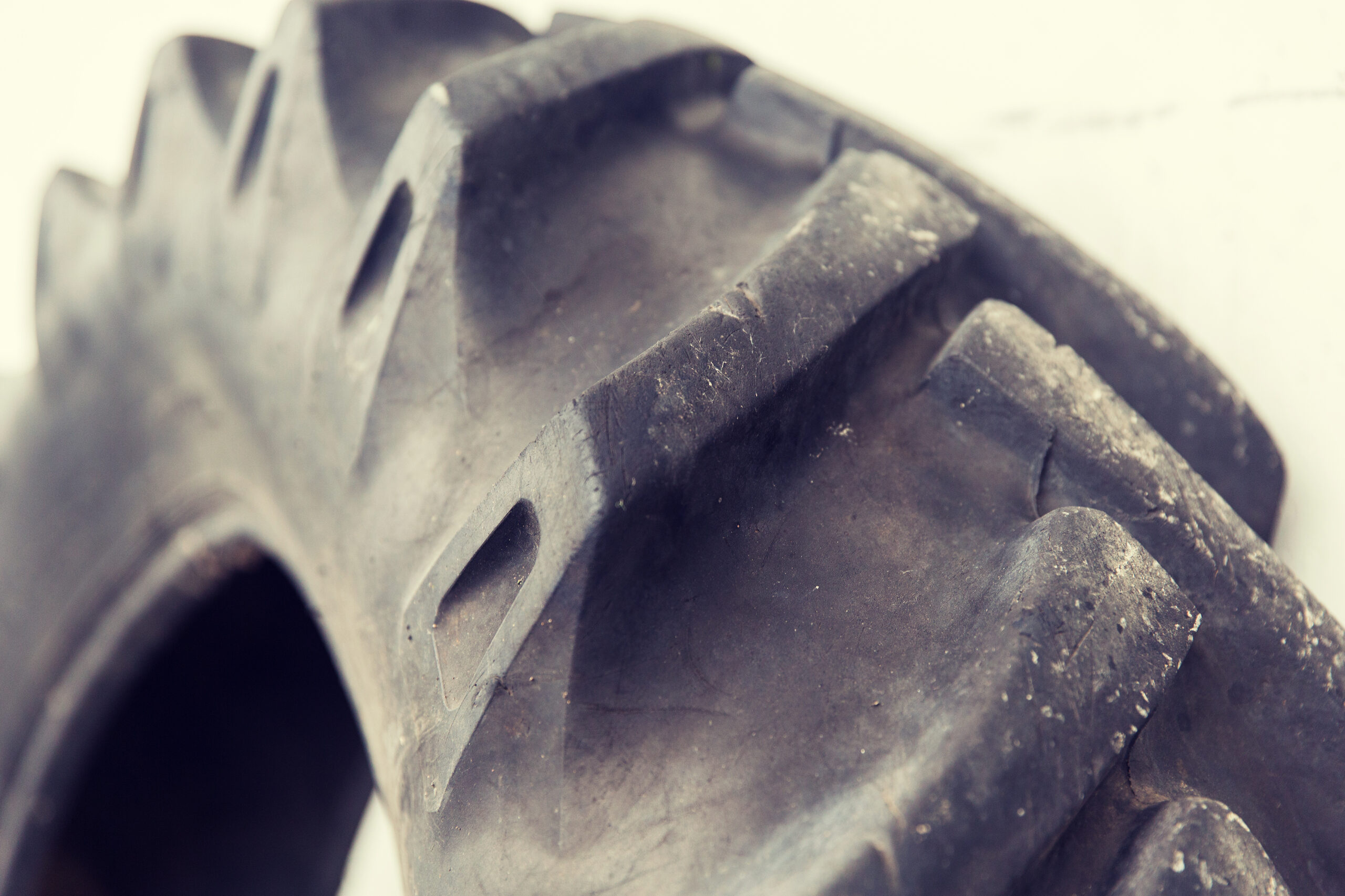
Your tyres are excellent indicators of suspension health. Uneven wear patterns—such as excessive wear on the inner or outer edges, or a sawtooth pattern across the tread—signal that suspension components aren't maintaining proper wheel alignment. When suspension bushings, ball joints, or control arms wear out, wheels tilt at incorrect angles, causing accelerated and uneven tyre degradation.
Regular tyre inspections can catch suspension problems early, potentially saving you hundreds of dollars in replacement costs. Inner edge wear typically suggests a toeing-in problem, while outer edge wear indicates toeing-out issues. If you notice your tyres wearing faster than expected or developing bald spots in specific areas, have your wheel alignment and suspension checked immediately. Addressing the underlying suspension issue will not only extend tyre life but also restore safe handling characteristics to your vehicle.
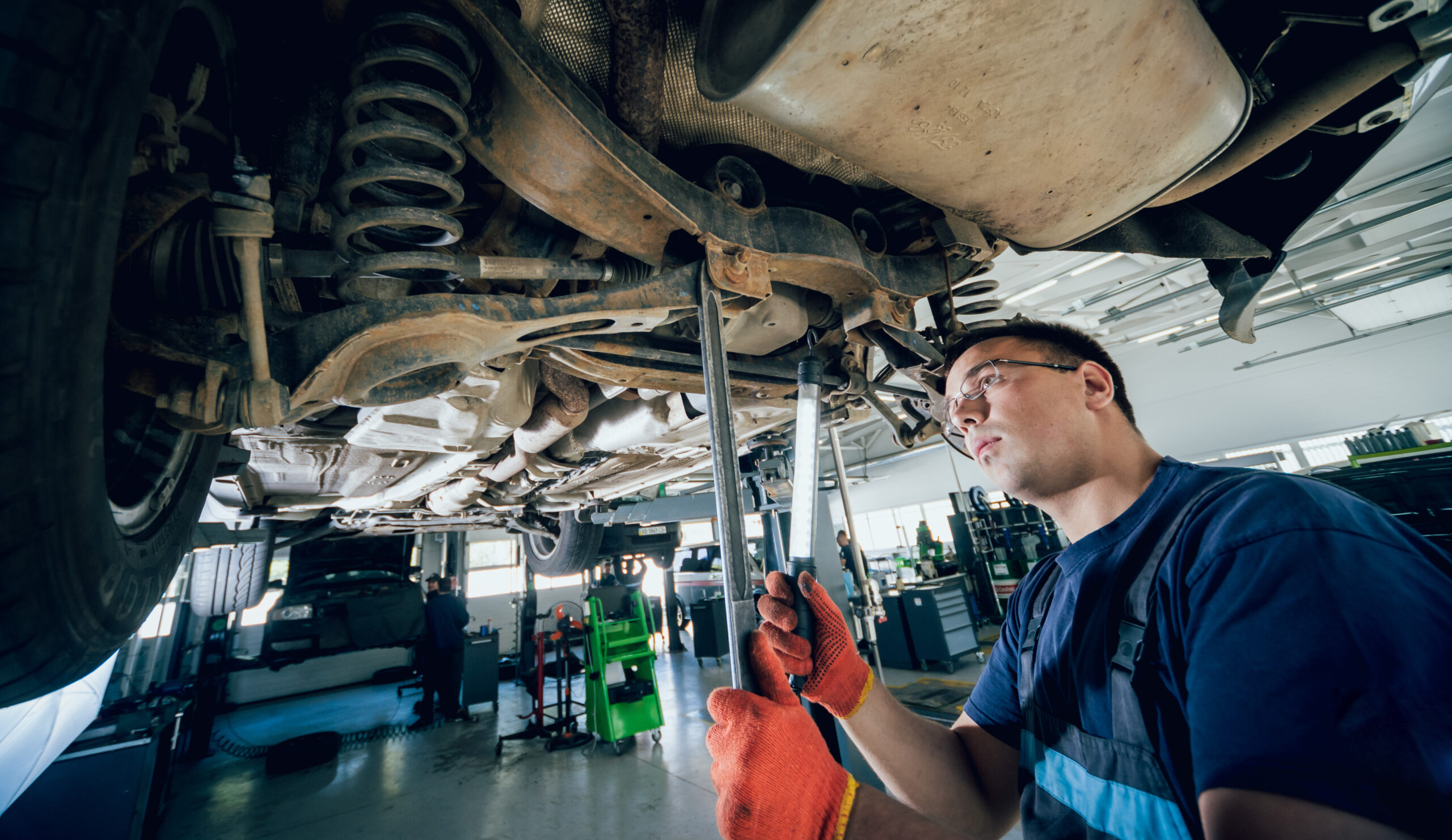
Strange noises emanating from beneath your vehicle are rarely something to dismiss. Clunking, rattling, or knocking sounds—especially when going over bumps, turning corners, or during acceleration and braking—often indicate worn suspension bushings, damaged sway bar links, or loose control arm connections. These components work together to keep your wheels in contact with the road and maintain vehicle stability.
Some drivers mistake suspension noise for loose trim or undercarriage panels, but genuine suspension sounds are typically rhythmic and consistent. A clunk when hitting a pothole or speed bump suggests worn struts or shock absorbers, while a rattling noise during cornering often indicates a failing sway bar link or bush. Don't wait for the noise to worsen—have a professional inspect your suspension system to identify which components need repair or replacement before a minor noise becomes a major safety issue.
A vehicle that bounces excessively after driving over a bump, or continues to bounce for several cycles, indicates worn shock absorbers or struts. Similarly, if one corner of your vehicle appears to sit lower than the others, or if the ride feels noticeably bouncier than it once did, your suspension damping components have likely deteriorated. These symptoms directly affect your vehicle's handling, braking performance, and overall safety.
Reduced ride comfort also makes your vehicle more susceptible to damage from potholes and road imperfections. Worn suspension components can't absorb impacts effectively, transferring stress to wheels, tyres, and the chassis itself. If you notice your vehicle diving under braking or leaning excessively during cornering, your suspension is overdue for servicing. Early intervention—such as replacing worn struts, shocks, or bushings—prevents cascading damage to other vehicle systems and maintains the safety characteristics your vehicle was designed to provide.

Designed & Developed by CJ Digital